Abstract
This guide clarifies Indonesia's visa policies for short-term visitors to Bali. It covers the visa-free entry program for ASEAN nationals, details the widely-used Visa on Arrival (VoA and e-VoA) for over 90 nationalities, and explains the application process, highlighting the official channel for submission.
Table of Contents
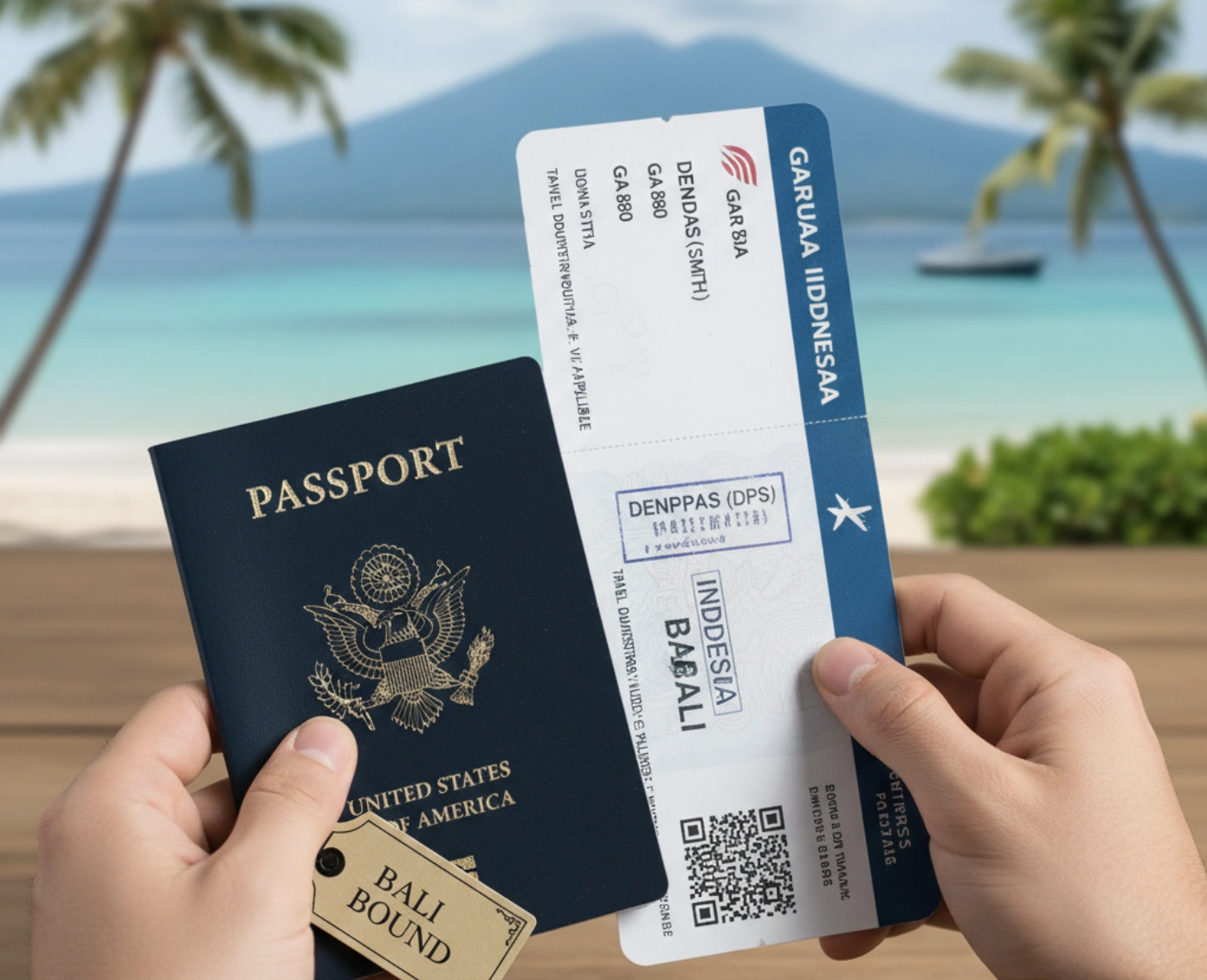
Planning a short holiday to Bali is exciting, but navigating visa requirements can be confusing. The short answer is: most likely, yes, you do need a visa. However, for many nationalities, this is a simple process. This guide breaks down everything for short-term travel (under 60 days).
Visa Requirements by Nationality
Visa-Free Entry
A small number of travelers do not need a visa for a short tourist visit. This applies to citizens of all ASEAN (Association of Southeast Asian Nations) member countries, plus Timor-Leste.
- Eligible Nationalities: Brunei, Cambodia, Laos, Malaysia, Myanmar, Philippines, Singapore, Thailand, Vietnam, and Timor-Leste.
- Duration: Up to 30 days.
- Important: This visa-free entry is not extendable.
Check Your Visa Needs
For all other nationalities, a visa is required. Use the quick checker below to understand your options based on your passport and planned length of stay.
Understanding the Visa on Arrival (VoA / e-VoA)
For travelers from eligible countries, the Visa on Arrival (VoA) is the standard choice for short trips. It allows entry for tourism, social visits, or transit.
Key Features of the VoA
- Initial Stay: 30 days.
- Extendable: It can be extended one time for another 30 days, for a total stay of up to 60 days.
- Cost: IDR 500,000 (approx. USD 35), payable upon arrival or online.
What's the difference between a VoA and an e-VoA?
They are the exact same visa, but how you get it differs:
- Standard VoA: You queue at the airport in Bali (DPS), pay the fee, and get the visa sticker in your passport.
- Electronic VoA (e-VoA): You apply and pay online before you travel. You'll receive a digital confirmation, allowing you to bypass the payment queue at the airport.
Recommendation:
To avoid long queues, we highly recommend applying for the e-VoA online before departure.
How to Apply for Your e-VoA
The application for an e-VoA should be completed online before you travel. The most direct method is through the official Indonesian immigration visa application website. This ensures you are using the correct government portal for your submission.
When applying, ensure you have your documents ready (passport scan, photo) and a valid credit card. While the official site is the primary channel, some travelers may find it challenging to navigate. If you encounter issues, visa assistance services are available, but the link provided above is the official government source.
Frequently Asked Questions (FAQ)
What if I want to stay longer than 60 days?
+The Visa on Arrival is not suitable for stays longer than 60 days. In this case, you must apply for a C1-Tourist 60 days Visa (also known as a B211A visa) *before* you travel to Indonesia. This visa allows an initial 60-day stay and can be extended twice for a total of 180 days.
What documents do I need for the e-VoA application?
+You will need a clear, digital copy of your passport's bio-page (valid for at least 6 months) and a recent passport-style digital photograph with a white background. You will also need a return or onward flight ticket.
Can I work in Indonesia on a tourist visa?
+Absolutely not. It is illegal to perform any kind of work, paid or unpaid, on a tourist visa (including VoA/e-VoA). Doing so can lead to severe penalties, including deportation and being blacklisted from the country.